
Insect & Disease Management for Southwest Florida Lawns
A lawn in Southwest Florida can turn fast. One week it looks fine, then brown patches, thinning turf, and spotted leaves start spreading like a bad rumor.
That’s where Disease Management and pest control have to work together. At Stellar Lawn & Pest Service, we help homeowners protect turf, shrubs, and the rest of the landscape with practical treatment and prevention. The real trick is spotting problems early, using the right solution, and keeping the yard healthy through the season.
How insect and disease pressure shows up in Southwest Florida lawns
Heat, humidity, heavy rain, and long growing seasons give pests and plant disease a lot of room to move. In Southwest Florida, lawns don’t always get a break. If one problem starts, it can spread before the next mowing.
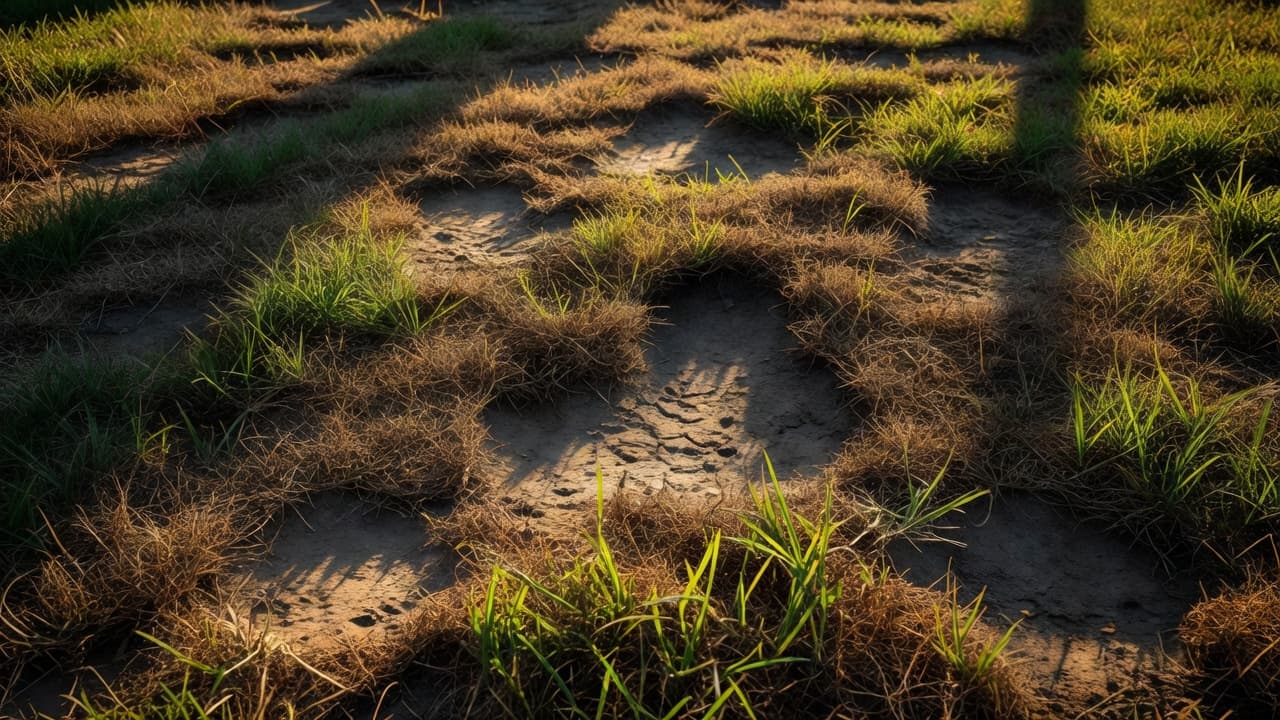 The first signs are usually plain enough once we know what to look for. Grass may thin out in one area, leaves may lose color, and the lawn may start showing uneven patches instead of even growth.
If a patch keeps growing after watering, we’re probably not looking at a simple dry spot.
For a local look at the pests that show up in Florida turf, UF/IFAS lawn insect pests is a useful reference. It helps put the warning signs in plain view.
Common insect damage homeowners often mistake for drought stress
Chinch bugs, grubs, armyworms, and other pests can make healthy grass look thirsty. That’s what makes the damage tricky. Dry-looking turf is not always a water problem.
With chinch bugs, grass often turns yellow, then brown, in patchy areas. Grub damage can leave turf loose underfoot, almost like the roots gave up. Armyworms can chew blades so fast that the lawn looks clipped down overnight.
A simple test can help. If watering doesn’t improve the area, and the damage keeps spreading, pest activity is worth a closer look. Brown grass alone doesn’t tell the full story. The pattern matters too.
Early disease symptoms that should not be ignored
Disease usually shows up as spots, streaks, or dead areas that seem to expand quickly. Leaves may carry odd blotches or rings. Turf may turn patchy, then collapse in the same area.
Root issues can be harder to spot, but they matter just as much. If the grass looks weak even with normal care, the problem may be underground. That’s why we pay attention to how fast the damage moves and where it starts.
When leaf spotting spreads, professional plant disease identification helps us separate disease from stress, watering mistakes, or insect injury. That saves time, and it keeps the wrong treatment off the lawn.
Our insect and disease management approach at Stellar Lawn & Pest Service
We don’t treat every yard like it has the same problem. A lawn in Naples may need a different plan than a landscape in Fort Myers, and a shrub bed often needs a different eye than turf.
Our process starts with inspection. We look at the grass, the soil, the plant type, the weather pattern, and the way the damage is moving. Then we identify what’s really going on and choose a treatment that fits the issue, not just the symptom.
If the problem is spreading or coming back, call us at (239) 829-8841. We can talk through what you’re seeing and set up a visit.
Why correct identification comes first
The wrong guess wastes time. It can also make the problem harder to fix.
A fungus needs a different response than a chewing insect. Grubs need a different plan than chinch bugs. Even two diseases can act alike at first glance, which is why close inspection matters so much.
How treatment plans are matched to the lawn and landscape
Every property has its own setup. Grass type, plant material, shade, sun, rainfall, and soil conditions all shape the plan.
That’s why we tailor the work instead of leaning on one spray pattern for everything. A healthy St. Augustine lawn, for example, does not need the same attention as a stressed ornamental bed. Good service starts with that difference.
When prevention works better than repeated treatment
Prevention is often the cleaner path. Once a lawn is under stress, pests and disease get an easy opening.
Monitoring, adjusting watering, improving airflow, and reducing plant stress can all lower the chance of repeat outbreaks. The goal is not to chase the same problem month after month. The goal is to make the yard less inviting to it in the first place.
Simple prevention habits that support disease control and pest control
Homeowners can do a lot between service visits. The small habits matter more than most people think.
- Water early in the day, and don’t keep the soil soggy.
- Mow at the right height, and don’t scalp the lawn.
- Feed plants the way the soil and season call for, not on guesswork.
- Watch for bare spots, weak edges, and odd color changes.
Good lawn care gives grass a fighting chance. Strong roots and steady growth make it harder for insects and disease to get settled.
Watering, mowing, and fertilizing the right way
Overwatering can be as harmful as drought. Wet soil invites disease, and shallow roots make the lawn easier to damage.
Mowing too short puts stress on the grass, which opens the door for pests and decline. Fertilizer helps when it matches the yard’s needs, but too much can push tender growth that attracts trouble.
Reducing hiding spots and moisture around the home
Trim back overgrowth so air can move. Clear out fallen leaves, clippings, and dead plant matter before they pile up.
Drainage matters too. Low spots, clogged edges, and standing water can support the kind of moisture pests and disease like to find. A cleaner, drier yard is easier to protect.
Conclusion
A lawn usually gives us warning signs before real damage sets in. Thin patches, chewed blades, spotted leaves, and dead spots are all signals that something needs attention.
That’s why our Disease Management work focuses on the cause, not just the visible mess. We look, identify, treat, and help reduce the chance of it coming back.
If your landscape is starting to show those first signs, call Stellar Lawn & Pest Service at (239) 829-8841. We’ll help you protect it before the damage spreads.