Pest Control Services
Pests don’t wait for a convenient season. They show up in kitchens, attics, garages, and yards, then they turn small annoyances into bigger repairs and bigger bills.
That is why pest control by Stellar Lawn & Pest is more than killing bugs on sight. It protects food, comfort, and the parts of the house we do not want chewed, stained, or weakened.
Once we know the early signs, the right prevention steps, and when a problem has outgrown a quick fix, we can respond with a lot less stress. Let’s start with the clues most homes give us first.
How we spot the first signs of a pest problem
The first signs are easy to miss because they rarely look dramatic. A few droppings, a faint smell, or a trail near a wall can be the first hint that pests are settling in.
When we catch those clues early, we avoid bigger damage later. That usually means less mess, less repair work, and fewer surprise costs.
Common warning signs inside the house
Inside the home, we should pay attention to anything that repeats. One odd spot may be nothing, but the same clue in two or three places tells a different story.
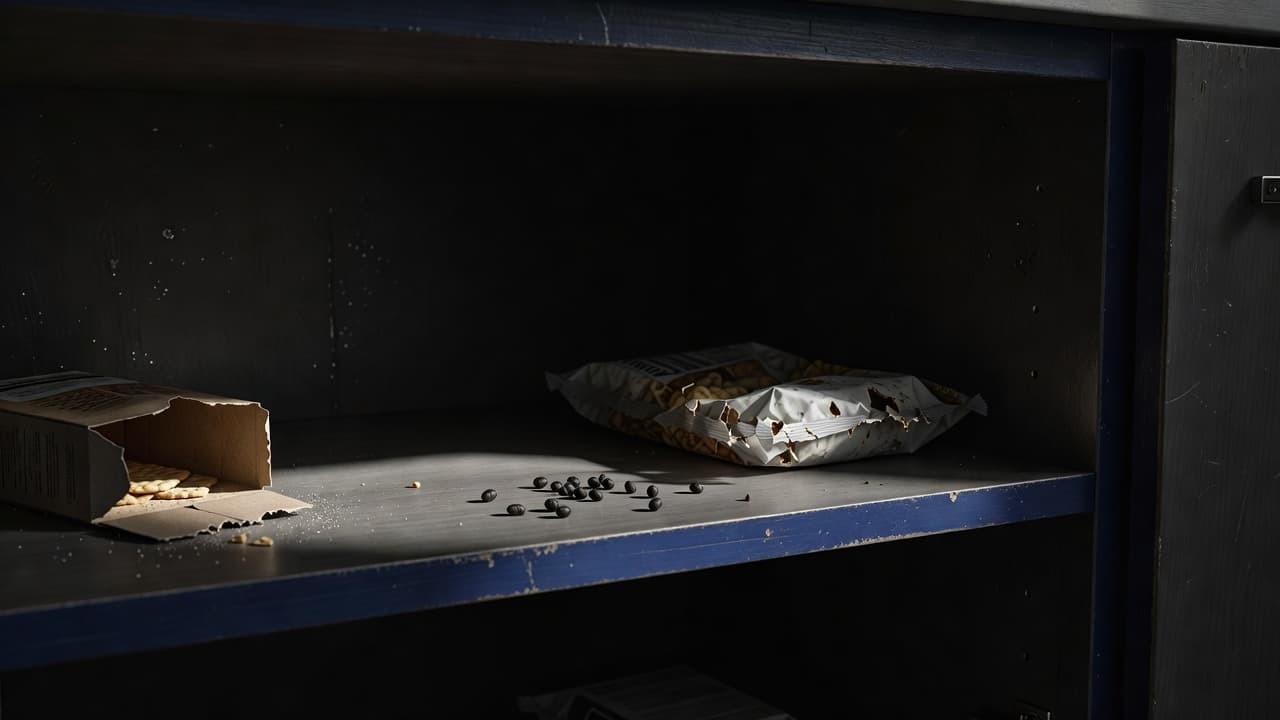
Common indoor warning signs include:
- Droppings near baseboards, cabinets, or pantry shelves
- Gnaw marks on boxes, wires, or wood
- Strange smells that seem musty, oily, or sharp
- Scratching sounds behind walls or above ceilings
- Torn food packaging or tiny holes in bags and boxes
- Shed skins, small nests, or insect wings near windows
Different pests leave different evidence, but the pattern matters more than the shape. If we keep seeing the same sign, something is living nearby.
Outdoor clues that pests may be nearby
The yard often gives us the first warning. Ant trails along the foundation, mud tubes on walls, burrow holes near landscaping, and heavy wasp traffic around eaves all point to pest activity.
We should also look at plants and water. Chewed leaves, damaged mulch, and standing water can draw insects fast, especially mosquitoes. Even a tidy yard can hide trouble if gutters are clogged or soil stays damp near the house.
When the outside of the home starts to show these signs, pests are already close. That is the time to act, not wait.
What effective pest control actually includes
Good pest control is a process, not a single spray. It starts with inspection, then moves to prevention, targeted treatment, and follow-up.
That is why the reminder that pest control is more than spraying makes sense. If we only treat the surface, the source often stays in place.
Inspection and identification come first
The pest has to be identified correctly before treatment starts. Ants, roaches, termites, rodents, and fleas all need different approaches.
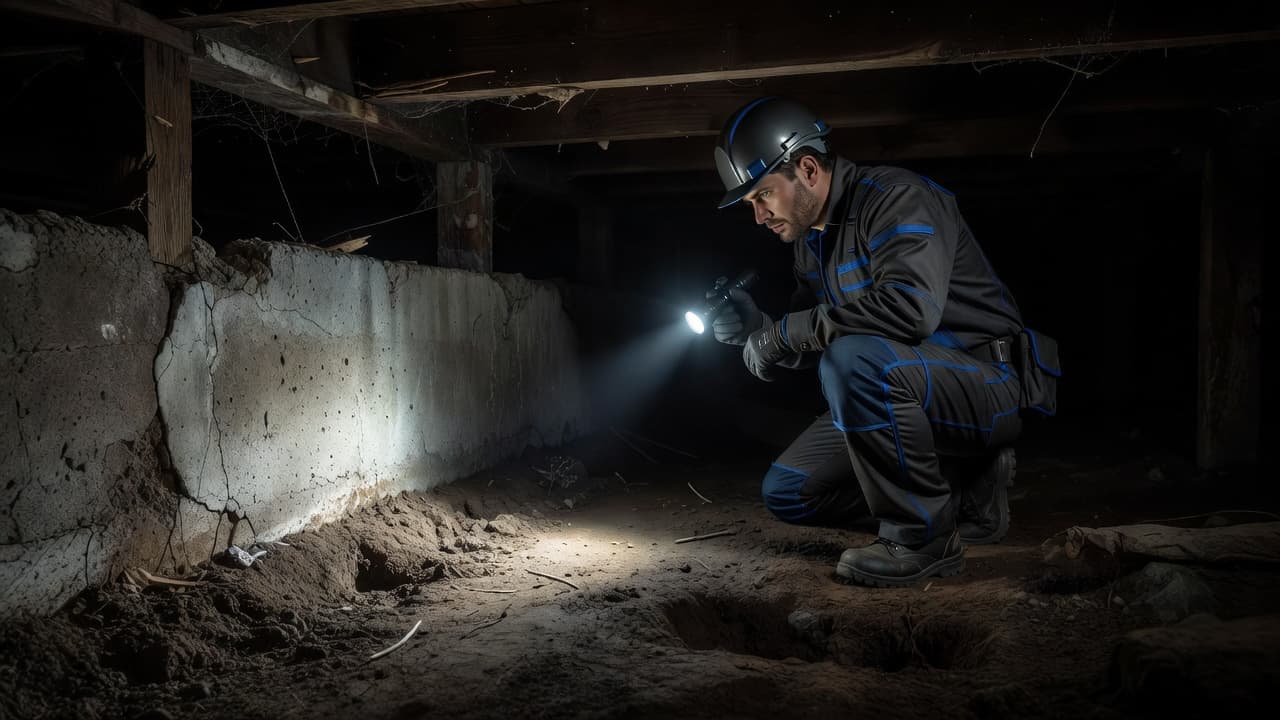
A good inspection finds entry points, nesting areas, food sources, and moisture problems. It also stops us from wasting time on the wrong fix.
For homeowners who want a plain-English place to start, the UF IFAS guide to choosing pest control explains what to look for in a service.
Prevention steps that keep pests from coming back
Prevention does a lot of the heavy lifting. Sealing gaps around doors, vents, and pipes cuts off easy entry. Fixing leaks removes the moisture many pests need.
We should also store food in tight containers, reduce clutter in garages and attics, trim plants away from the house, and remove standing water. Those changes may look small, but they make the home less inviting.
That part matters because habitat changes are often just as important as treatment. If the conditions stay perfect for pests, they usually come back.
Safer treatment options for families and pets
Modern pest control does not have to mean heavy spraying across every room. In many homes, the better choice is a bait system, a trap, or a targeted product placed where pests actually travel.
Some situations call for organic or lower-toxicity options. The right method depends on the pest, the level of activity, and where the problem sits in the home.
When treatment is chosen with care, we protect the family and still get the job done. That balance is what good service should look like.
When to call a pest control professional
Some pest problems move too fast for a casual do-it-yourself fix. Others hide too well. Once the signs keep coming back, we are no longer guessing, we are dealing with a real infestation.
If the same problem keeps coming back, the house is telling us something.
Problems that usually need expert help
These pests often need professional help:
- Termites and any sign of wood damage
- Bed bugs, which spread fast and are hard to reach
- Rodents, because they chew, nest, and contaminate
- Large roach infestations
- Stinging insects near doors, roofs, or play areas
- Repeating ants or spiders that never seem to leave
These problems can spread, damage property, or affect health. Quick action saves time and keeps the cleanup smaller.
Why regular service can be easier than waiting for a crisis
Routine inspections are usually calmer than emergency calls. They catch small problems before they turn into big ones, and they keep us ahead of seasonal changes.
That matters even more in warm climates, where pests stay active longer and indoor-outdoor pressure never really stops. A scheduled visit can also give us a simple plan for sealing entry points, managing moisture, and checking trouble spots before they flare up.
We get fewer surprises that way. We also get a clearer picture of what is normal and what is not.
Conclusion
Pest control works best when we treat early signs like warning lights, not background noise. Droppings, trails, gnaw marks, and damp areas all tell us something useful.
The smart path is simple. Fix the moisture, seal the gaps, clear the clutter, and get help when the problem keeps returning.
When we act quickly, we protect the house and make the next problem easier to handle.