
Crabgrass and Dandelion Control Tips That Work
Crabgrass and dandelion control doesn’t have to feel complicated. Identify each weed early, treat it at the right time, and keep the lawn dense. Start by learning which weed is which.
Crabgrass and dandelions show up for a simple reason. They move into thin grass and open soil faster than turf can recover.
Know what you’re dealing with before you treat it
Crabgrass and dandelions may share a yard, but they don’t behave the same way. One spreads by seed in a single season. The other keeps coming back from its root. That difference shapes when you pull, spray, or prevent it.
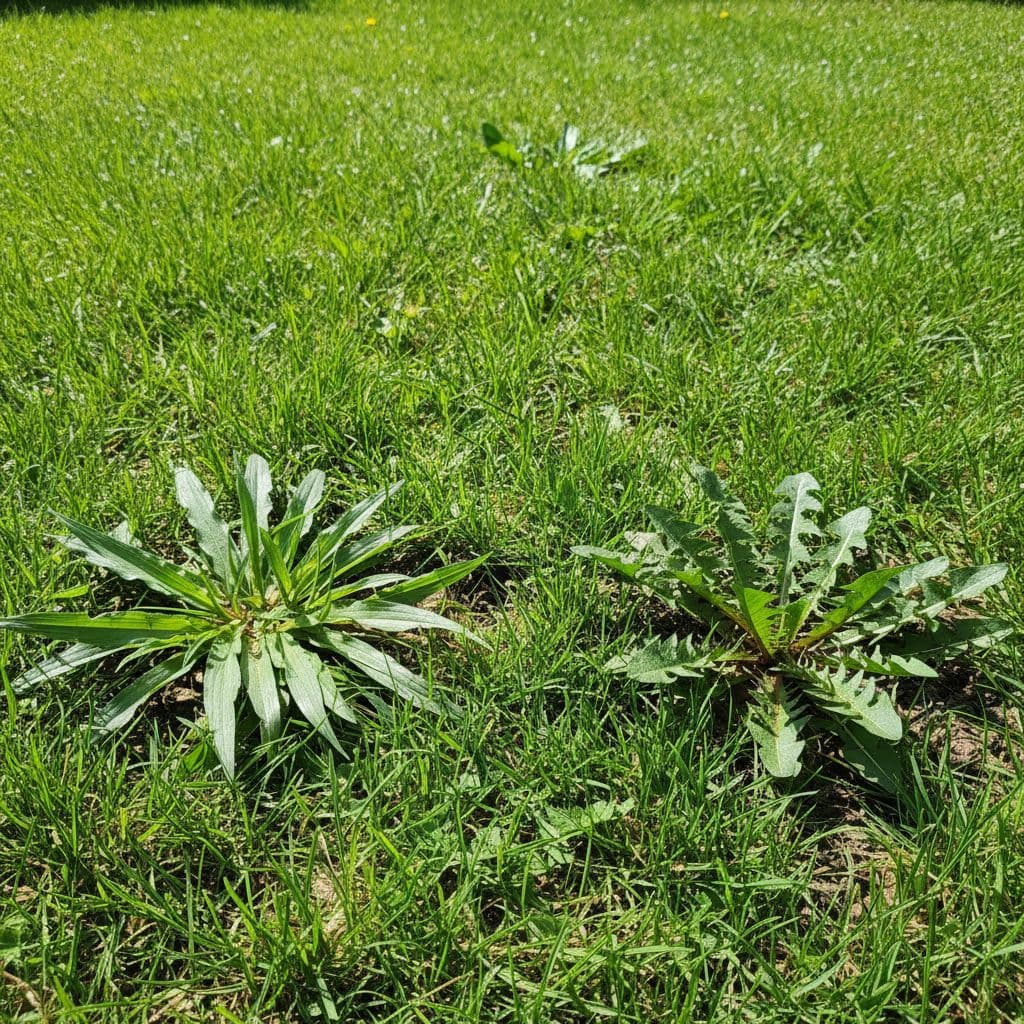
How to spot crabgrass in the lawn
Crabgrass grows low and wide, almost like a star pressed against the soil. Its blades are broader than most lawn grasses, and it often shows up in hot, bare, or thin spots near sidewalks and driveways. Because it’s an annual, the plant dies after frost, but fresh seeds wait for spring. That is why prevention matters so much.
How to spot dandelions before they spread
Dandelions grow in a flat rosette, with jagged leaves pointing back toward the center. Then come the bright yellow flowers, followed by the white seed heads that drift across the yard. Unlike crabgrass, dandelions survive from year to year because of a deep taproot. If part of that root stays in the ground, the plant often returns.
Use the right control method at the right time of year
With lawn weeds, timing matters as much as the product. A good treatment used at the wrong point in the season often disappoints. Match the method to the weed, and you get better results with less repeat work.
Apply crabgrass prevention before soil warms up
Pre-emergent products stop crabgrass seeds as they begin to germinate. You need to apply them before seedlings break the surface, not after you can see the weed. In many U.S. lawns, that window opens in early spring as soil temperatures near 55 degrees.
Mowing also plays a part. Taller grass shades the soil and slows crabgrass growth, so avoid scalping the lawn while you wait for warmer weather.
Treat dandelions when they are actively growing
Dandelions respond best when the plant is moving food to the root. Spring works well for young plants, and early fall is often better for established ones. Spot spraying can work, and hand digging helps when the soil is moist and you can remove most of the taproot. UMN Extension’s dandelion guide explains why fall treatments often last longer.
Match the product to your lawn type
Not every weed product is safe for every lawn. Some herbicides can injure certain warm-season grasses, and many labels warn against use on stressed or newly seeded turf. Read the label before you buy, and wait to treat if the lawn is under heat, drought, or disease pressure.
Build a lawn that naturally pushes weeds out
Sprays can knock weeds back, but lawn care keeps them from settling in again. Thick grass blocks sunlight, crowds the soil surface, and leaves fewer openings for weed seeds. That is why long-term control depends on how you mow, water, and repair thin areas.
Mow higher and keep your grass healthy
A low cut gives crabgrass more light and more room. Mowing a bit higher helps the lawn cast shade across the soil, which slows germination and reduces stress on the grass. Use a sharp blade, keep a steady mowing schedule, and avoid taking off too much at once.
That extra height can make a real difference. UMN Extension’s crabgrass guide notes that raising mowing height helps reduce crabgrass pressure in lawns.
Water deeply instead of often
Shallow, frequent watering keeps grass roots near the surface. Then the lawn dries out fast and loses ground to weeds. Deeper watering encourages stronger roots and better drought tolerance. For many lawns, one thorough soak beats light daily sprinkles, as long as the soil drains well and the grass has time to dry between waterings.
Fill bare spots so weeds have less room
Bare soil is an open invitation to crabgrass. After you treat weeds, repair thin spots with seed or sod that matches your lawn. Loosen compacted soil if needed, add seed at the right time for your grass type, and keep new grass evenly moist until it establishes. When weak patches fill in, weed seeds have far less room to take hold.
Stop repeat weed problems with a simple maintenance plan
Most homeowners don’t need a complicated schedule. They need a routine they can repeat each season. When prevention, spot treatment, and lawn care work together, weed pressure usually drops over time.
Seasonal tasks that make weed control easier
A simple yearly rhythm helps:
- In early spring, apply crabgrass prevention before germination and raise mower height.
- During summer, watch for thin spots, water deeply, and spot treat young weeds.
- In fall, target dandelions and repair bare areas before winter.
That cycle keeps small problems from turning into a lawn-wide headache.
When it makes sense to call a professional
Sometimes the weeds are only part of the problem. Heavy infestations, repeated failures, and large bare patches often point to deeper lawn stress. In that case, professional weed control services can help identify the weed type, choose products that fit your grass, and improve results without guesswork.
Conclusion
A better lawn starts with the same three moves every year. Identify the weed, treat it at the right time, and strengthen the turf so it can compete.
When you stay consistent, healthy grass does more of the work for you. That makes crabgrass and dandelions easier to manage, and much less likely to keep coming back.