Slow-Release vs Quick-Release Fertilizers for Home Yards
Slow-release vs quick-release fertilizers affect how fast plants get nutrients, how often you need to feed, and how much work your lawn and garden demand. For homeowners, that choice shows up in greener grass, fuller blooms, healthier shrubs, and fewer wasted dollars.
Buy the wrong type, and you may get a brief burst of color followed by another trip to the store. Pick the right one, and your yard stays on track with less fuss. The difference comes down to speed, staying power, and how much upkeep you want.
What slow-release and quick-release fertilizers actually do
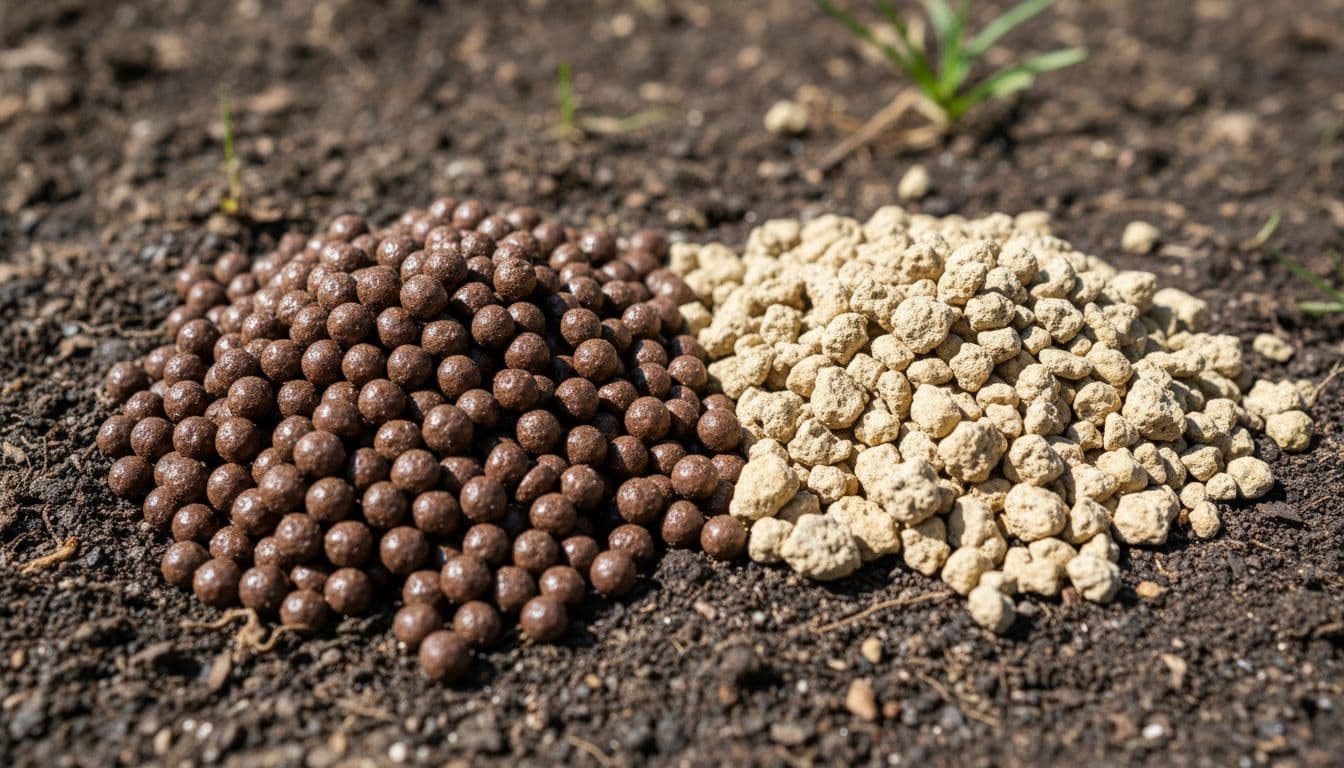
Quick-release fertilizer dissolves fast after watering or rain. Because nutrients are available almost at once, lawns often green up within days. That’s helpful when grass looks pale, flowers seem stalled, or shrubs need a quick push after stress.
Slow-release fertilizer works on a longer clock. It feeds plants in smaller amounts over time, so growth tends to stay more even instead of jumping up and fading. For many homeowners, that steadier pace is easier to manage.
In practical terms, quick-release gives a fast response but needs closer follow-up. Slow-release keeps working in the background and often cuts down on repeat applications. The University of Delaware’s lawn and landscape fertilizer guide explains that some slow-release materials can feed for weeks or even months, which helps explain why they fit routine yard care so well.
Why quick-release fertilizers give fast results
When timing matters, quick-release fertilizer has a clear edge. Nutrients are ready right away, so it’s useful if you want a fast green-up or need to correct a visible nutrient problem. That quick boost can help lawns recover after stress, especially during active growth.
Still, the effect doesn’t last long. Because the plant gets more food up front, growth can spike and then slow down. As a result, you may need to feed again sooner.
How slow-release fertilizers feed plants longer
Slow-release fertilizer feeds in smaller doses as the product breaks down or responds to soil conditions. That slower pace often leads to steadier color and more balanced growth. It can also reduce the heavy flush of top growth that leaves you mowing nonstop.
Another benefit is convenience. Since the nutrients last longer, you don’t have to reapply as often. For regular lawn care, flower beds, and shrubs, that steady feeding is often easier to live with.
How to choose the right fertilizer for your lawn and garden
The right fertilizer depends on your goal, the season, and how closely you manage the yard. If you want a fast visual change, quick-release can be the better tool. If you want a longer feeding window with less hands-on work, slow-release is often the better fit.
This quick comparison makes the decision simpler:
| Yard goal or situation | Better fit | Why |
|---|---|---|
| Fast green-up | Quick-release | Nutrients are available sooner |
| Routine seasonal feeding | Slow-release | Feeds over a longer period |
| Short-term recovery after stress | Quick-release | Helps plants respond faster |
| Fewer applications | Slow-release | Cuts down on repeat feeding |
The short version is simple: speed favors quick-release, while convenience and consistency favor slow-release.
When quick-release makes the most sense
Quick-release makes sense when timing matters more than duration. A lawn that looks washed out after heavy rain, a shrub that seems weak, or a container plant that needs a quick lift may respond faster to it. It’s also a practical choice when you want visible improvement soon, not weeks from now.
That said, you need to be careful with timing and rate. Apply too much, or apply during hot, dry weather, and you can create more stress instead of less. Watering it in properly matters because the nutrients move fast.
When slow-release is the smarter choice
Slow-release is a smart pick for routine feeding. Busy homeowners like it because one application keeps working longer, which means fewer reminders and fewer chances to miss a treatment. Lawns, landscape beds, and container plants often benefit from that steadier supply.
It also works well when you want more even growth. Instead of a fast burst that fades, you get a longer stretch of support. That’s helpful if you prefer a lower-maintenance yard and don’t want to keep chasing color.
Fertilizer also can’t fix every lawn problem. If weeds are taking water, light, and nutrients, the grass won’t get the full benefit of feeding. In that case, stop weeds from stealing nutrients before you spend more money on fertilizer.
The trade-offs homeowners should know before buying
Before you buy, look past the front label and think about the whole season. Quick-release fertilizer often costs less at checkout, but it may need more applications. Slow-release products can cost more per bag, yet they often save time and reduce waste.
That trade-off matters if you’re trying to keep yard work simple. A cheaper product isn’t always the better value if it asks for more labor, more precise timing, and more repeat feeding.
How each option affects plant burn and nutrient loss
Quick-release fertilizers are easier to overapply. If the dose is too heavy, especially in hot weather or dry soil, grass blades and roots can burn. They can also move through the soil faster after hard rain or heavy irrigation, so some of what you paid for may wash away before plants use it.
Slow-release fertilizer lowers that risk because it feeds in smaller amounts over time. You still need to follow label directions, but sudden nutrient spikes are less common. That makes slow-release a safer choice for homeowners who want a little more margin for error.
What to expect from price, effort, and timing
The cheapest bag isn’t always the best bargain. A low up-front price can disappear once you factor in repeat applications, extra attention to watering, and the time spent watching for the next feeding window. Quick-release often asks for more hands-on management across the season.
Slow-release costs more at first, but it usually cuts the number of applications. For many homeowners, that lower effort is worth the higher shelf price. A plain-English comparison of slow-release and fast-release fertilizer also points out that faster products often need more frequent feeding, which affects the real cost over time.
The best fertilizer depends on the job
Quick-release fertilizer is best when you want fast results. Slow-release is better when you want steady feeding and fewer repeat applications. The smarter choice depends on the plant, the season, and how much upkeep you want to take on.
Many homeowners end up using both. A quick boost can help at the right moment, while slow-release keeps the yard fed with less effort. Match the fertilizer to the job, and your lawn and garden will reward you with healthier growth and fewer headaches.