Yes, lawn pests can travel in sod, infested soil, and debris carried on landscaping equipment. However, insects may already be present before installation, so new damage doesn’t prove that a delivery or contractor introduced them.
We recommend inspection before treatment, because watering problems, disease, and poor root establishment can resemble insect feeding. Start by understanding the pathways, then look for active pests near fresh damage.
How Lawn Pests Move Between Yards
Sod and Soil Can Carry Hidden Insects
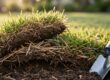
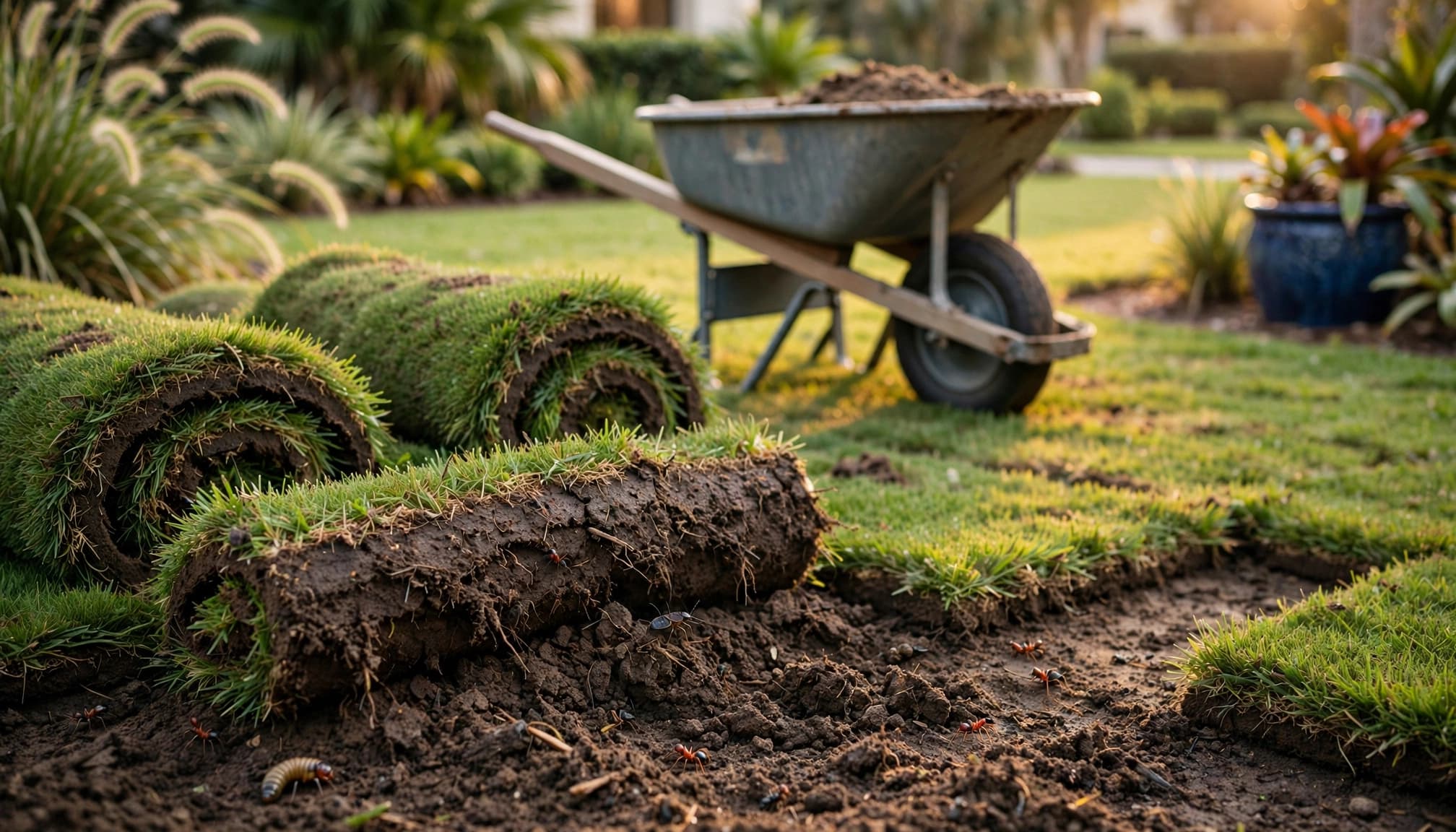
Sod includes grass, thatch, roots, and attached soil, which can shelter insects and their immature stages. Billbug eggs or larvae can travel among stems and roots, while sod webworm larvae and cutworms can hide in thatch.
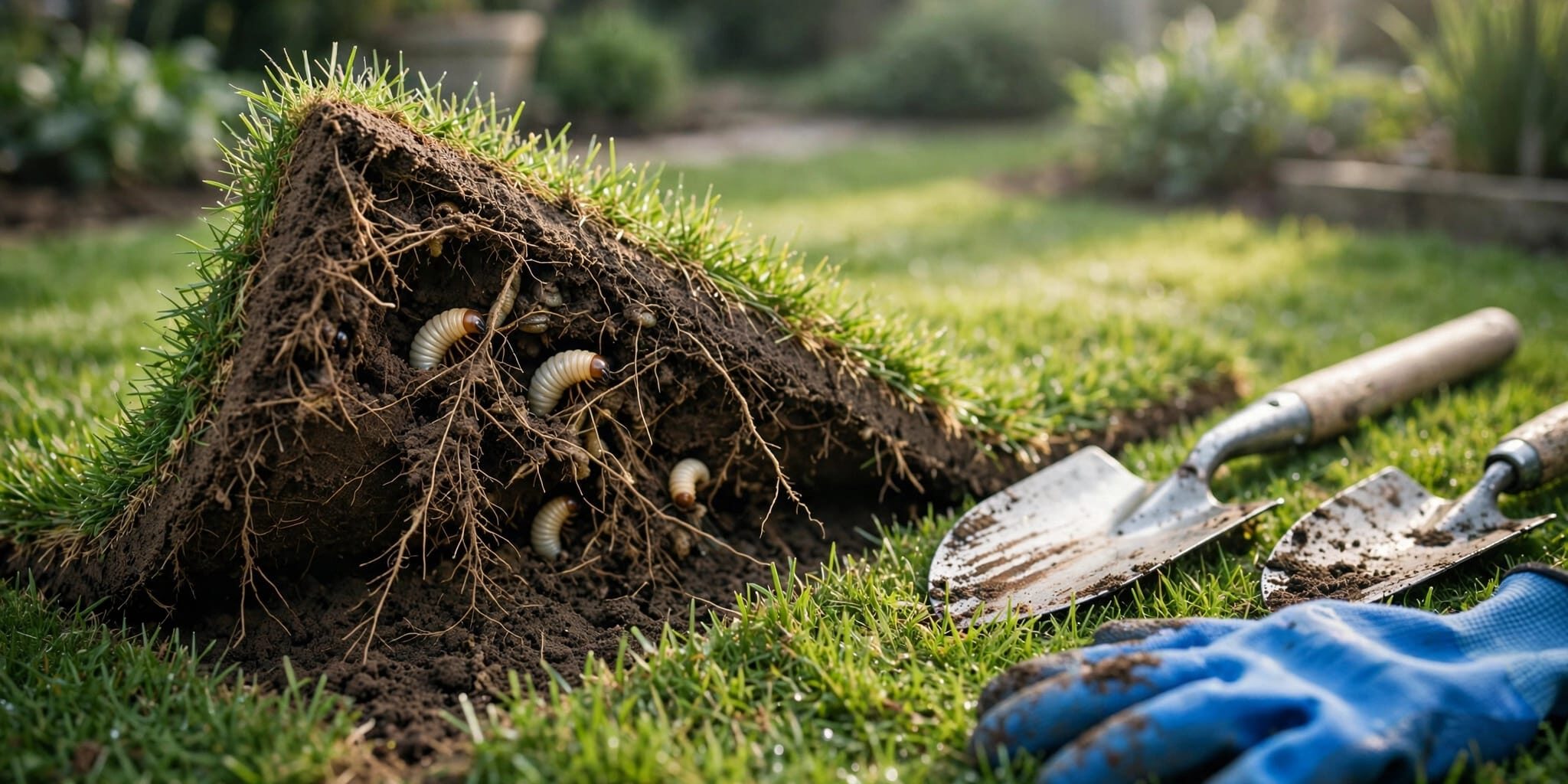
Moved soil can carry soil-dwelling eggs and larvae, including grubs. Check soil for signs of infestation, and don’t spread suspect material into healthy turf.
Inspect several sod pieces before installation, including their undersides. Look for live insects, chewed blades, and root damage. Our guidance on insect damage in new sod helps distinguish feeding injury from establishment problems.
Equipment Can Move Contaminated Debris
Mowers, aerators, shoes, and wheelbarrows can carry attached soil clods or grass debris with insects and immature stages. Equipment isn’t the main travel route for every pest, but cleaning it reduces unnecessary movement.
Scrape and wash soil-contact tools, footwear, tires, and mower decks before moving between yards. Keep sod scraps and contaminated debris away from healthy planting areas until disposal is arranged.
Some insects also crawl or fly between lawns, so clean equipment can’t prevent every infestation.
Confirm Pest Activity Before Applying Insecticide
Inspect Roots and Count Grubs
Start where healthy grass meets declining turf. Lift a one-square-foot section and inspect roots and underlying soil for pale, C-shaped larvae. Repeat in several locations, including healthy grass, then replace the turf.
Loose sod alone doesn’t confirm grubs, especially before new grass has rooted. Don’t apply insecticide solely because sod is loose or turf is brown.
Thresholds vary. UC IPM generally recommends no treatment at five or fewer grubs per square foot; Mississippi State suggests treatment around three to five. An action threshold considers species, fresh root injury, and lawn condition, so one number can’t fit every yard. UMass turf management guidance also presents thresholds as guidelines.
Examine Blades, Crowns, and Thatch
Chinch bugs often damage sunny St. Augustinegrass near pavement. Billbug larvae feed in stems or on roots, while sod webworm larvae chew blades and shelter in thatch. Cutworms can sever young blades near the soil surface.
Caterpillar damage can come from sod webworms, cutworms, or armyworms, so identify the pest instead of inferring it from brown turf alone. NC State’s turf insect guide describes pest-specific scouting methods. Integrated pest management means identifying the pest, monitoring damage and counts, and choosing targeted measures rather than treating based on appearance alone.
For a caterpillar drench test, mix 2 to 4 tablespoons of dishwashing liquid per gallon of water. Apply over one square yard and count insects surfacing within 10 minutes. Rinse afterward to reduce soap injury.
Assess chinch bugs separately using a measured inspection or flotation test. Treatment thresholds commonly fall around 15 to 20 bugs per square foot, with Mississippi State using about 20. Consider counts alongside fresh injury and lawn condition.
Apply Lawn Insecticide With Accurate Coverage
Granules are dry insecticide applied with a hand or push broadcast spreader. Our comparison of granular and liquid treatments explains why placement must match the feeding location. Some turf products contain bifenthrin; use it only if the label lists your target pest and turf site.
Before you apply insecticide, confirm the label covers the identified pest, turf site, and rate, and gives re-entry directions.
Use this application sequence:
- Mow at the lower end of the recommended mowing height range for your grass, without scalping. Never remove more than one-third of blade height.
- Multiply length by width in feet. A 40-by-50-foot lawn covers 2,000 square feet, requiring twice the labeled amount per 1,000 square feet.
- Use the product’s setting for your spreader model. Calibrate over a measured area with a weighed quantity and consistent walking speed; dial numbers aren’t universal.
- Make two perpendicular passes, each delivering half the total amount. Close the hopper while turning and sweep stray granules off pavement into the treatment area.
Water-in soil-targeted granules as directed. Watering in moves the insecticide’s active ingredient toward the feeding zone when the label directs it. Without water, treatment may remain above root-feeding insects. Fire ant bait is an important exception and generally needs dry conditions.
Apply during cooler early-morning or late-afternoon conditions, never before heavy rain. Heat, stressed grass, and excessive rates increase injury risk. Keep children and pets away until the label permits re-entry, and follow label restrictions that protect beneficial insects. There is no universal waiting period.
Match Treatment Timing to the Pest
New sod doesn’t have a universal preventive-treatment deadline. Application timing depends on pest identification, insect life stage, and current damage.
Use these timing distinctions instead of one calendar for every insect.
| Pest | Treatment timing |
|---|---|
| White grubs | Target young larvae; preventive and rescue products have different windows. |
| Chinch bugs | Treat confirmed, damaging populations during active feeding. |
| Armyworms and webworms | Target small, actively feeding caterpillars. |
| Fire ants | Broadcast suitable bait in spring, midsummer, and fall when ants are foraging. |
The insect’s active stage matters more than a fixed date. Armyworms are best targeted while larvae are small and actively feeding.
For white grubs, imidacloprid may appear on labels for a specific preventive window. Products, uses, and timing differ, so follow the label.
Typical fire-ant bait rates are about 1 to 2.5 pounds per acre, depending on the label. Apply when ground temperatures are 70 to 90 F and no rain is forecast. Two or three yearly applications can provide 80 to 90 percent control, with maximum results taking 2 to 6 weeks.
Use bifenthrin only when the label covers the pest, site, and application window.
Thatch thicker than 1/2 inch shelters caterpillars and chinch bugs and can block treatment movement. Keep fertilizer moderate, about 2 to 4 pounds of actual nitrogen per 1,000 square feet annually for a conservative program.
Carbaryl became a restricted-use material in California on August 1, 2020, requiring a valid applicator license. Product availability and permitted uses differ by state.
Frequently Asked Questions
Can lawn pests spread through new sod?
Yes. Sod can carry insects and immature stages in grass, thatch, roots, and attached soil. Inspect several pieces, including their undersides, before installation.
Can lawn equipment spread lawn pests between yards?
Mowers, aerators, footwear, and wheelbarrows can move pests in attached soil or grass debris. Scrape and wash soil-contact items before moving between yards, but remember that some insects also crawl or fly between lawns.
How can I tell if lawn pests are causing turf damage?
Inspect the grass, roots, and thatch for live insects and fresh feeding damage. Brown grass or loose sod alone doesn’t confirm an infestation, since watering problems, disease, and poor root establishment can look similar.
Should I water in granular lawn insecticide?
Water in soil-targeted granules when the product label directs you to do so, since water moves the active ingredient toward root-feeding insects. Fire ant bait is an exception and generally needs dry conditions.
Protect Healthy Turf Before Damage Expands
Effective lawn pest control starts with inspecting incoming sod, limiting the movement of suspect soil, and cleaning equipment. Treat only after confirming active pests, not from brown grass alone.
After treatment, monitor fresh feeding and the edges of damaged patches. Dead blades won’t turn green again, so new damage and live pests are better measures of whether further care is needed.