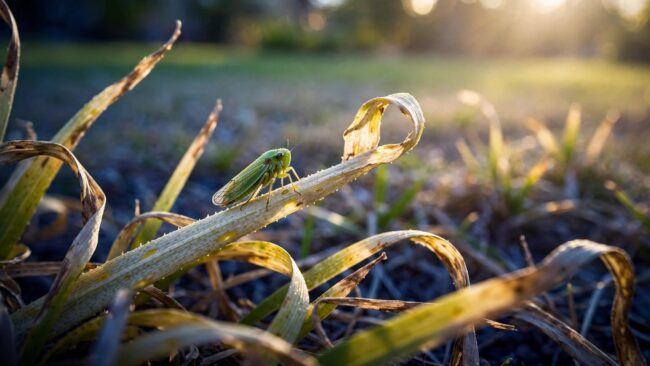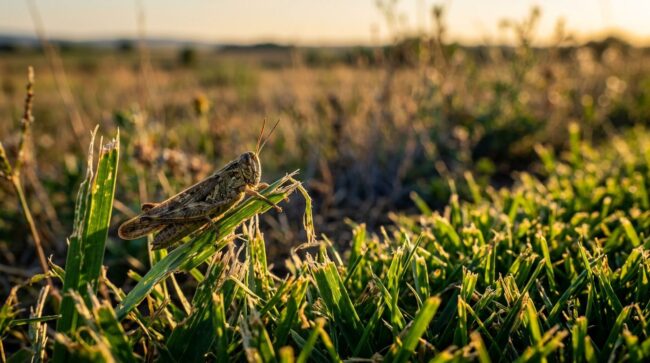
A green leafhopper rests on a pale grass blade above yellowing turf.

Lawn Leafhopper Damage in Southwest Florida Turf

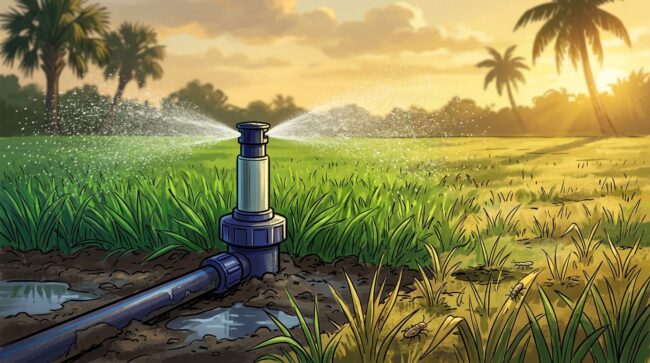
A yellowing lawn doesn’t always have a watering problem. Lawn leafhopper damage can leave grass blades pale, mottled, and weak, especially when heat, sandy soil, and irrigation issues already stress the turf. In Southwest Florida, St. Augustinegrass, bermudagrass, zoysiagrass, and bahiagrass are warm-season turfgrass varieties that can show stress quickly. The right response starts with…

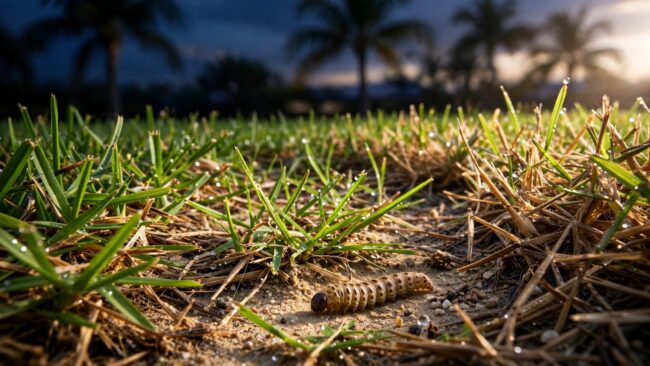
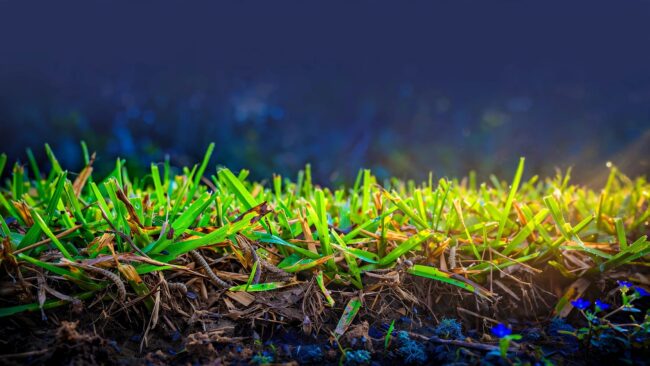
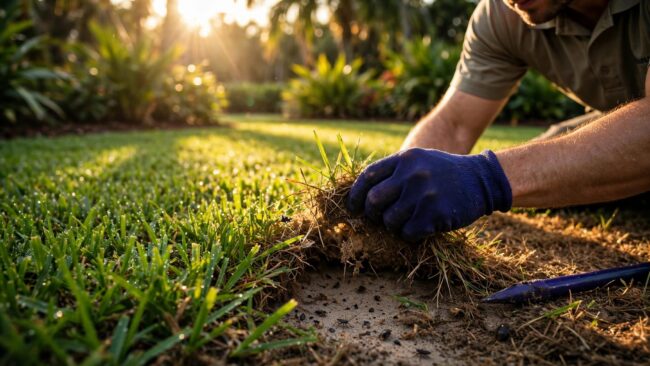
Damaged St. Augustinegrass with sod webworm larvae, dew, and sandy soil.

Why Lawn Pests Return After Treatment in Southwest Florida

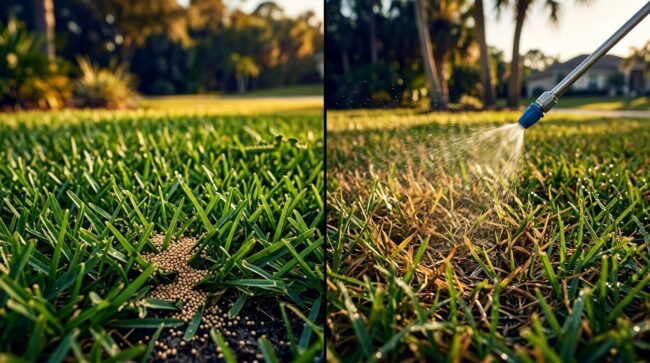
A treated lawn can still show new damage, live insects, or thinning grass days later. Lawn pests after treatment may reflect delayed damage, new life stages, weather, irrigation stress, or activity from nearby properties, not treatment failure. A pest control treatment can reduce active insects, but one-time treatments can’t immediately repair damaged roots, reverse visible…

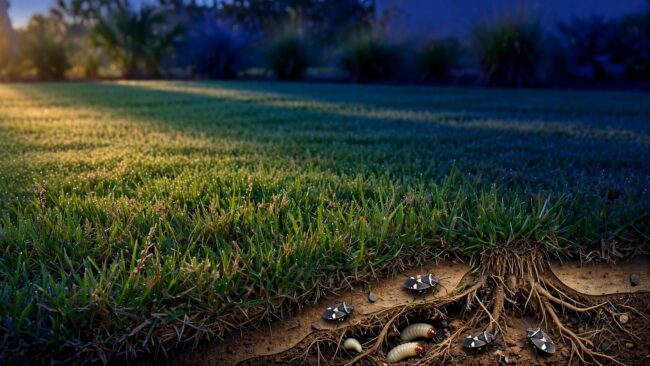
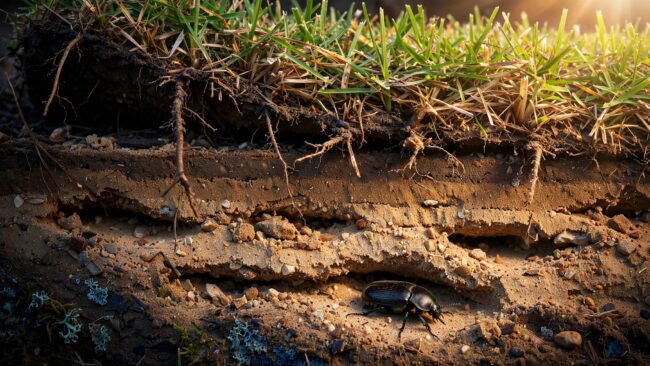
A glossy beetle beneath lifted grass with damaged roots and thinning turf.

Sugarcane Beetle Damage in Southwest Florida Lawns

A St. Augustinegrass lawn can start thinning before you see an insect. Below-ground beetle injury may affect crowns, runners, and roots beneath the turf canopy. In Southwest Florida, sandy soil, heat, irregular irrigation, and outdoor lighting can complicate diagnosis. Similar symptoms may come from drought stress, chinch bugs, disease, mole crickets, or unrelated grub activity.…