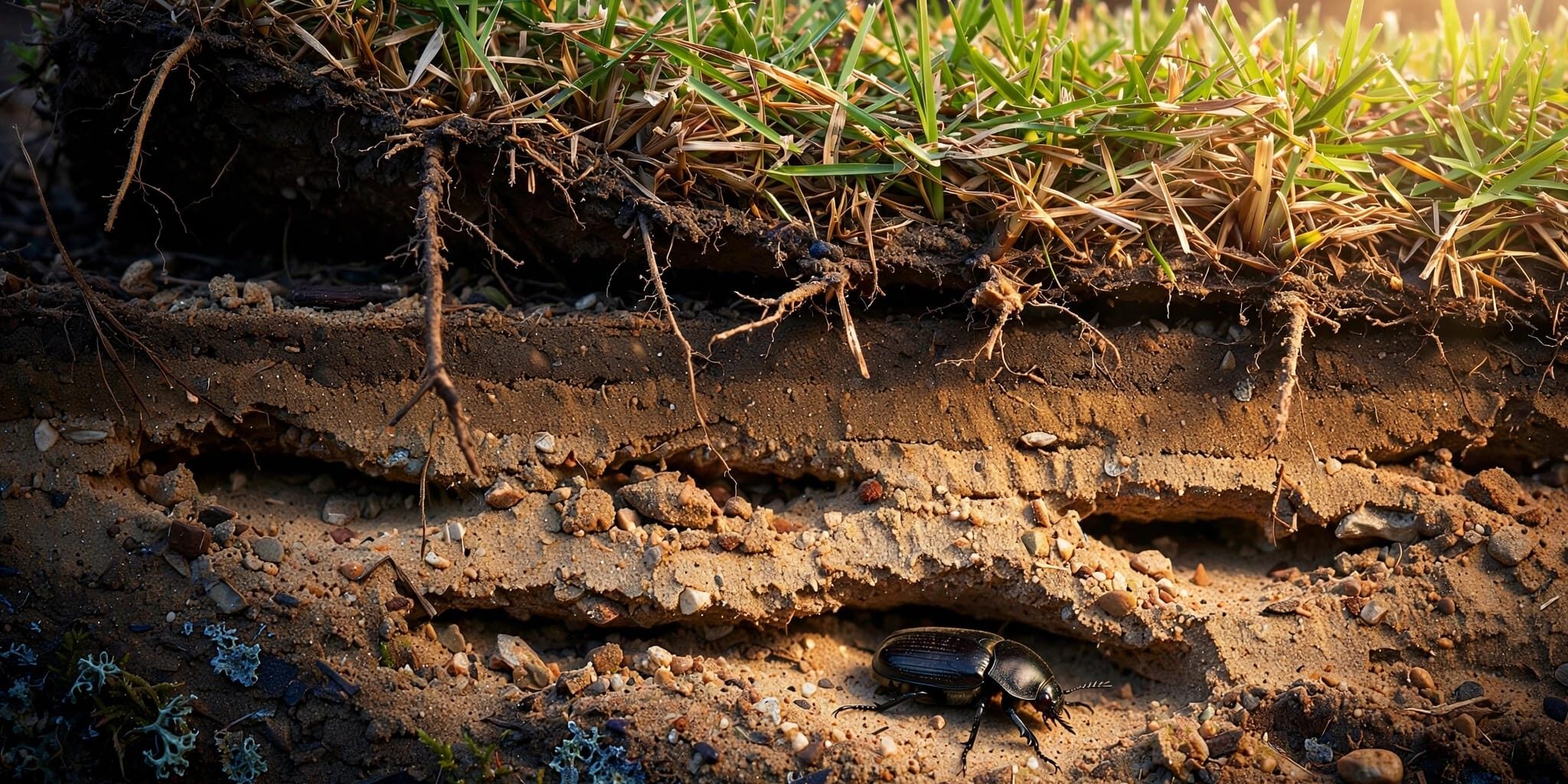
A St. Augustinegrass lawn can start thinning before you see an insect. Below-ground beetle injury may affect crowns, runners, and roots beneath the turf canopy.
In Southwest Florida, sandy soil, heat, irregular irrigation, and outdoor lighting can complicate diagnosis. Similar symptoms may come from drought stress, chinch bugs, disease, mole crickets, or unrelated grub activity. A declining lawn doesn’t automatically point to this pest.
Lift affected sod and inspect the crown and root zone before considering timing and treatment. UF/IFAS or local Extension diagnostic guidance can help confirm the cause and avoid unnecessary applications.
Key Takeaways
- Sugarcane beetle injury in Southwest Florida lawns is mainly caused by adults feeding below ground near St. Augustinegrass crowns, runners, and roots.
- Irregular thinning, loose sod, shortened or chewed roots, damaged crowns, shallow tunnels, and adult beetles are stronger diagnostic clues than white grubs alone.
- Begin weekly inspections as warm spring weather arrives, especially near sandy areas, turf edges, stressed grass, and outdoor lights that may attract adults.
- Rule out drought stress, chinch bugs, disease, mole crickets, irrigation problems, and unrelated grubs before treating the lawn.
- Support recovery with proper irrigation, mowing, fertilization, and reduced lighting, and use labeled adult-targeted treatment only after active beetle damage is confirmed.
Why Sugarcane Beetles Can Hurt St. Augustinegrass
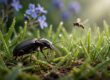
The sugarcane beetle, Euetheola humilis, is a dark, rounded scarab with a dome-shaped body. Adults are often about one-half inch long, and their strong front legs are built for digging. Eggs and larvae occur in soil, so much of the insect’s activity stays hidden.
This insect also goes by the name rough-headed corn stalk beetle. It is associated with agricultural crops such as field corn, sugarcane, rice, and sweet potato, as well as warm-season turf. In the southeastern United States, this insect pest can affect turfgrass stands, and Virginia Tech’s turfgrass pest guide lists St. Augustinegrass among the grasses that can be affected. For Southwest Florida lawns, St. Augustinegrass remains the priority, although warm-season hosts can also include bermudagrass and zoysiagrass.
Adult Beetles Cause the Main Turf Injury
Adults of the sugarcane beetle, rather than larvae, are the main source of crown and root injury in residential turf. They tunnel into the soil near the grass crown and may feed on roots, stems, and underground plant tissue. Extension guidance identifies adult activity as the principal residential turf-management target, though larvae can also feed below ground. A small number of beetles may not create obvious lawn problems, but repeated feeding can weaken an already stressed area.
St. Augustinegrass relies on healthy runners and roots to fill bare spots. When feeding damages those parts of the plant, the lawn may not recover as expected after watering or fertilization.
Larvae Are Present, but They Are Not the Main Target
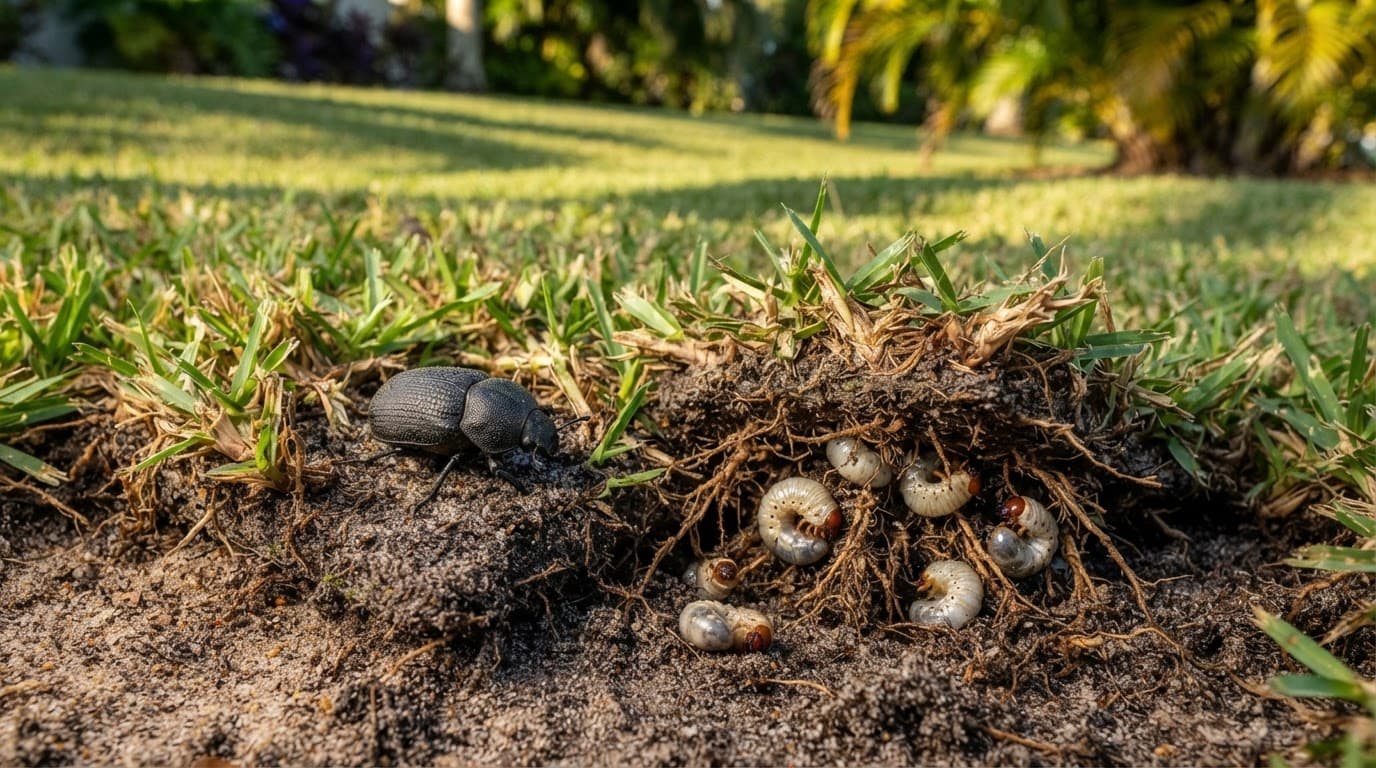
During the larval stage, these pests are creamy-white, C-shaped grubs with a brown head capsule. They live in the soil and can feed on decaying material and plant roots, but many lawn pests produce similar-looking grubs.
Finding white grubs alone doesn’t confirm this species. The adult beetle, crown injury, tunnels, timing, and location together provide a stronger diagnosis.
Recognizing Sugarcane Beetle Damage in St. Augustinegrass
This below-ground injury often appears as irregular thinning rather than one clean-edged brown patch. The grass may look dry, weak, or sparse even when irrigation is working properly.
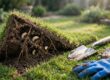
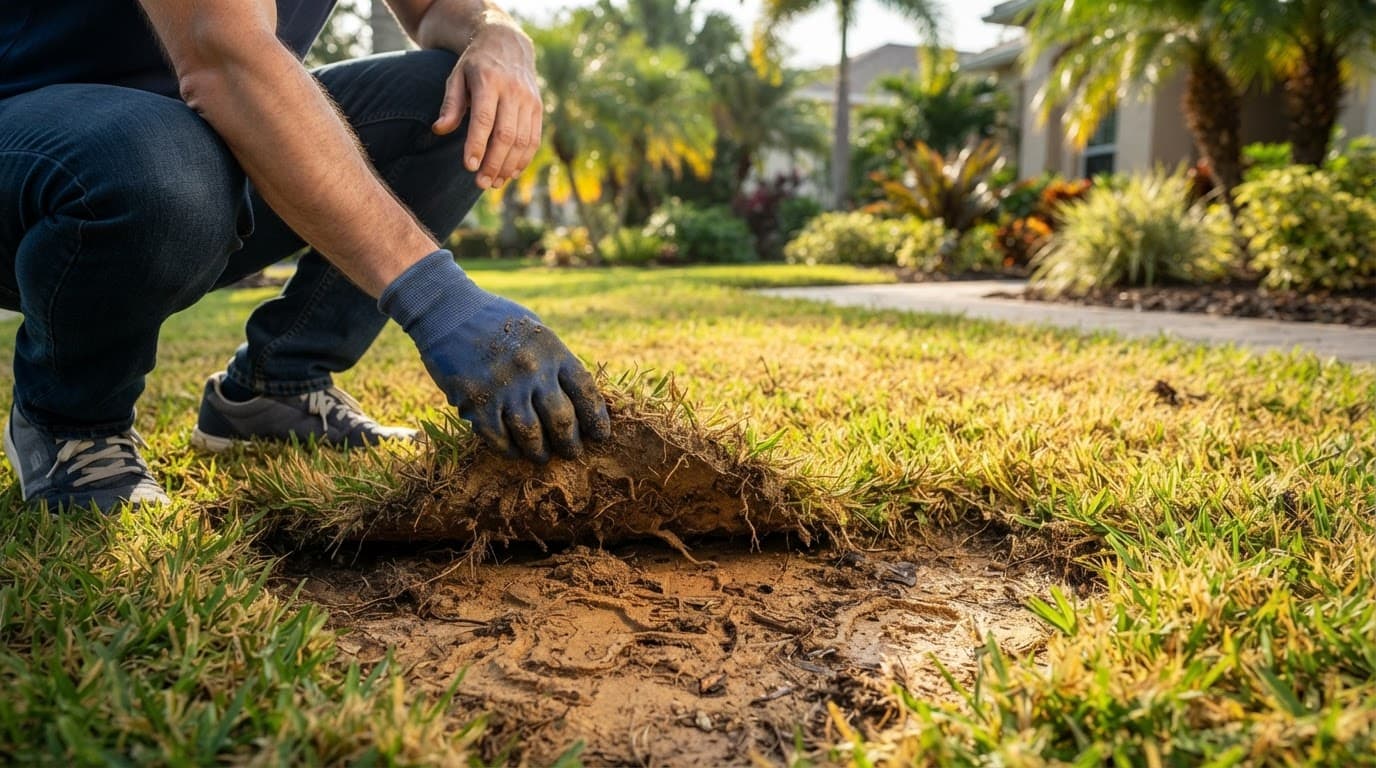
Compare healthy and damaged turf first. At the advancing edge of the patch, lift a small section of affected sod to check for a sugarcane beetle. If it loosens easily, inspect the crowns and turfgrass roots for shortened, chewed, or disturbed roots.
Look for shallow tunnels, loose soil, and adult beetles close to the soil. Photograph your findings before watering or applying a product.
What the Adult Beetle Looks Like
The rounded adult is compact, black to dark brown, and about one-half inch long. It’s much larger and rounder than chinch bugs, which are much smaller and typically found around leaf bases. It also differs from caterpillars and other leaf-feeding insects.
You may see them on pavement or near outdoor lights at night. These sightings are useful clues, but they aren’t sufficient by themselves. Adults may hide just below the soil surface, then cross the lawn in the early morning.
Look for these clues around a damaged area:
- A sturdy, rounded black beetle about one-half inch long, close to the soil or turf edges.
- Turf crowns that look cut, bruised, or weakened below the leaf blades.
- Loose sod with reduced roots, shallow tunnels, or disturbed soil beneath it.
- White grubs in the root zone, since a grub alone doesn’t confirm the pest. Consider it alongside adult activity and crown damage.
Similar below-ground symptoms can occur in bermudagrass and zoysiagrass, but this inspection focuses on St. Augustinegrass. In that grass, loose sod and damaged crowns are especially useful clues.
Damage May Start in Small Pockets
One corner of a lawn may decline while nearby grass remains green. This pattern can happen when beetles concentrate near light sources, turf edges, sandy areas, or stressed grass.
Don’t wait for the patch to become large before checking it. Early inspection gives you more options and helps prevent a small problem from becoming a longer lawn-repair project.
Finding a grub doesn’t automatically confirm the pest, and this injury can occur without a large grub population.
Spring Activity and Outdoor Lighting Matter
According to Virginia Cooperative Extension’s sugarcane beetle guidance, this pest can overwinter as adults in the soil. As soils warm in spring, adults emerge, mate, feed near grass crowns, and lay eggs. Larvae then develop in the soil, making this life cycle important when setting scouting and treatment timing.
Adult activity is the most important period for lawn monitoring. The larval stage develops later in the soil and is usually a less useful target for residential turf decisions. Activity can vary across the southeastern United States, and a shorter period may occur later. Rainfall, soil temperature, soil moisture, and turf stress differ by location, so homeowners shouldn’t rely on a calendar alone.
Watch Closely When Warm Spring Weather Begins
We recommend checking thin areas of St. Augustinegrass weekly as consistent warm spring weather begins. Look for adult sugarcane beetles near turf edges, sandy areas, pool cages, and exterior walls. Check historically stressed spots and turf near night lighting, too.
Adult feeding does the most direct damage to turf crowns and roots. Extension guidance explains why control plans focus on adults rather than the early stage used for many other grub problems.
Bright Night Lighting Can Attract Adults
Artificial lights can attract adults at night and concentrate them near a property. That pattern doesn’t prove an infestation, but it can make activity more noticeable around nearby turf.
University of Georgia turf research documents this light attraction and supports reducing unnecessary lighting over turf where practical.
Shield fixtures, aim them away from turf, or switch off decorative lighting when practical. Motion controls can also reduce all-night exposure over vulnerable turf.
Ruling Out Other St. Augustinegrass Problems
St. Augustinegrass faces many pest, disease, and environmental pressures in Southwest Florida. A patch pattern alone isn’t enough to identify sugarcane beetle injury.
Chinch bugs feed by piercing plant tissue around leaf bases and near the grass crown. They commonly cause expanding yellow-to-brown patches in hot, sunny areas. Beetle injury occurs below the soil surface, so lifting the sod can be more useful than inspecting leaf blades alone. Sod that lifts easily, chewed or bruised crowns, shortened roots, tunnels, or beetles support that diagnosis.
Drought stress usually follows dry soil, exposed sunny areas, or irrigation-coverage problems. The turf may temporarily improve after appropriate watering, while insects can leave physical crown and root damage.
Disease may cause leaf lesions, unusual discoloration, odor, or root and crown decay. Disease can also coexist with insect injury, so one problem doesn’t always explain every symptom.
Look Below the Surface Before Treating
Mole crickets can tunnel through turf and loosen soil. Sod webworms chew leaf blades and may leave ragged grass tips. Compaction, poor drainage, and unrelated white grubs can also weaken grass. Identifying a grub requires more than finding a C-shaped larva.
Similar diagnostic confusion can occur in bermudagrass and zoysiagrass, although this guidance focuses on St. Augustinegrass. We look at the full picture before recommending treatment, including turfgrass roots, thatch, soil moisture, crown condition, tunnels, insect presence, and patch spread.
Our approach follows integrated pest management. We identify the cause, document the pattern, correct irrigation or cultural problems, and conserve beneficial organisms. A labeled treatment is considered only when the confirmed pest and site justify it.
Insecticide applications based on appearance alone can waste money and add stress to the lawn. A treatment designed for chinch bugs may not control beetles in the soil, while a standard grub application may miss the adult beetles causing the injury.
Keep a Simple Record of Problem Areas
Take photos before mowing or watering. Record irrigation and rainfall, mark nearby outdoor lights, and inspect both the damaged edge and a healthy comparison area.
Note whether symptoms spread after watering or mowing and whether the turf responds to irrigation. These details help separate temporary stress from an active insect problem and make an inspection more accurate.
For help confirming the cause, use UF/IFAS Extension diagnostic resources or consult a properly licensed applicator when necessary.
Cultural Control Helps the Lawn Withstand Feeding
Healthy St. Augustinegrass is more resilient after root and crown injury caused by a sugarcane beetle. This approach includes irrigation, mowing, fertilization, reduced lighting, and stress management to support recovery and reduce drought stress. It isn’t guaranteed to prevent feeding, remove an established population, or replace diagnosis.
Water deeply and less often, based on your lawn’s needs and local watering rules. In Southwest Florida, irrigate deeply enough to wet the root zone while following current restrictions. Frequent shallow watering encourages weak roots near the surface and increases drought stress.
Avoid Scalping and Over-Fertilizing
Maintain the UF/IFAS-recommended mowing height for St. Augustinegrass. A scalped lawn loses leaf area, dries faster, and has fewer reserves for root recovery. Keep mower blades sharp so grass tips are cut cleanly.
Fertilizer should support steady growth, not force a quick burst of lush growth. Fertilize according to soil and turf needs while following local requirements. Excess fertilizer can create other lawn problems without solving feeding injury.
Healthy turf care should include:
- Correct irrigation that reaches the root zone without keeping the soil constantly wet.
- Regular mowing at the UF/IFAS-recommended height, without removing too much leaf tissue at once.
- Balanced fertilization based on soil and turf needs, not a guess or fixed schedule.
- Reduced lighting over turf when nighttime activity is suspected.
Do Not Treat Your Lawn Like a Crop Field
Cultivation can help disrupt immature stages in agricultural fields, while crop rotation may fit some crop-production plans. Neither is practical for an established residential lawn, where disturbing soil can destroy the St. Augustinegrass you’re trying to protect.
Crop management advice for field corn can also mislead homeowners. Information in Clemson’s guide to sugarcane beetles in corn covers seed treatments and in-furrow applications used when planting corn seedlings. Those labels and application methods are for crop production, not home lawns, and shouldn’t be transferred to residential turf.
When Professional Treatment Is the Right Step
Treatment is appropriate when an inspection confirms active adults and increasing sugarcane beetle damage. Chemical control is only one part of that decision. The goal is to reduce adults before they cause more crown and root injury.
Timing around active movement matters more than selecting a product because its label mentions grubs. Adults may be protected after tunneling into soil, so waiting for major damage can limit results.
A confirmed active sugarcane beetle population, not a weak-looking patch alone, should guide action. UF/IFAS Extension or another qualified diagnostic resource can help verify the cause. If you can’t safely or accurately inspect the lawn, use a licensed applicator.
Routine preventative treatments aren’t justified without evidence of risk. Drought, disease, chinch bugs, and irrigation failure can produce similar symptoms and require different responses.
Adult-Targeted Timing Makes the Difference
For this problem, adult sugarcane beetles are the key treatment target in spring, when movement is active. A licensed lawn professional can inspect the property and choose an approved option for the site.
Any insecticide applications must follow the current Florida-registered product label, including turf-site directions, reentry requirements, irrigation instructions, and environmental precautions. Pyrethroid insecticides aren’t automatically effective, since efficacy, timing, turf tolerance, and legal use depend on the current label and local Extension guidance.
We don’t recommend broad-spectrum treatment just because a patch of grass looks weak. A proper diagnosis protects beneficial insects, avoids unnecessary treatment, and gives the lawn a better chance to recover.
Recovery Requires Follow-Up Care
After beetle activity is reduced, damaged St. Augustinegrass still needs time for turfgrass roots and runners to rebuild. Continue proper mowing and irrigation. Avoid heavy foot traffic across thin turf, and hold off on aggressive lawn work until the grass begins filling back in.
Research on adult flight activity and sugarcane beetle management also supports regular monitoring through the active season. Check previously damaged pockets for renewed decline.
Continue scouting and sound lawn care before repairing or replacing declining turf. Areas recover more reliably after feeding stops and irrigation or other underlying problems are corrected.
Frequently Asked Questions
What does sugarcane beetle damage look like in St. Augustinegrass?
Damage often appears as irregular thinning, weak or dry-looking turf, and small declining pockets rather than one clean-edged brown patch. Lift affected sod to look for loose roots, damaged crowns, shallow tunnels, disturbed soil, and adult beetles near the surface.
Do white grubs confirm a sugarcane beetle problem?
No. Many lawn pests produce similar creamy-white, C-shaped grubs, so finding one does not identify the species. Adult beetle activity, crown injury, tunnels, timing, and location provide stronger evidence when considered together.
When should I inspect for sugarcane beetles?
Begin checking St. Augustinegrass weekly when consistent warm spring weather starts, because adults emerge and become active as soils warm. Pay particular attention to stressed turf, sandy areas, lawn edges, and areas near outdoor lighting.
How can I distinguish beetle injury from drought stress or chinch bugs?
Drought stress is often associated with dry soil or poor irrigation coverage and may improve after appropriate watering, while chinch bugs feed around leaf bases and crowns above the soil. Beetle injury is more likely when sod lifts easily and the crowns, roots, or soil beneath the turf show physical damage.
Should I treat my lawn as soon as it starts thinning?
No. Treatment should follow confirmation of active adults and increasing damage rather than a weak-looking patch alone. Use only a currently Florida-registered product according to its label, or consult UF/IFAS Extension or a licensed applicator for diagnosis and treatment decisions.
Protecting a Stronger Southwest Florida Lawn
Sugarcane beetle problems develop below ground, and this below-ground beetle injury may not show clearly at the surface. Lift sod to inspect the crowns, check the grass’s roots, and distinguish chinch bugs, disease, drought stress, and unrelated grubs.
The practical response combines accurate identification, spring activity and lighting checks, and healthy St. Augustinegrass care. Use labeled adult control only when confirmation supports it, and consult UF/IFAS Extension for Florida-specific turf, irrigation, and pesticide guidance.